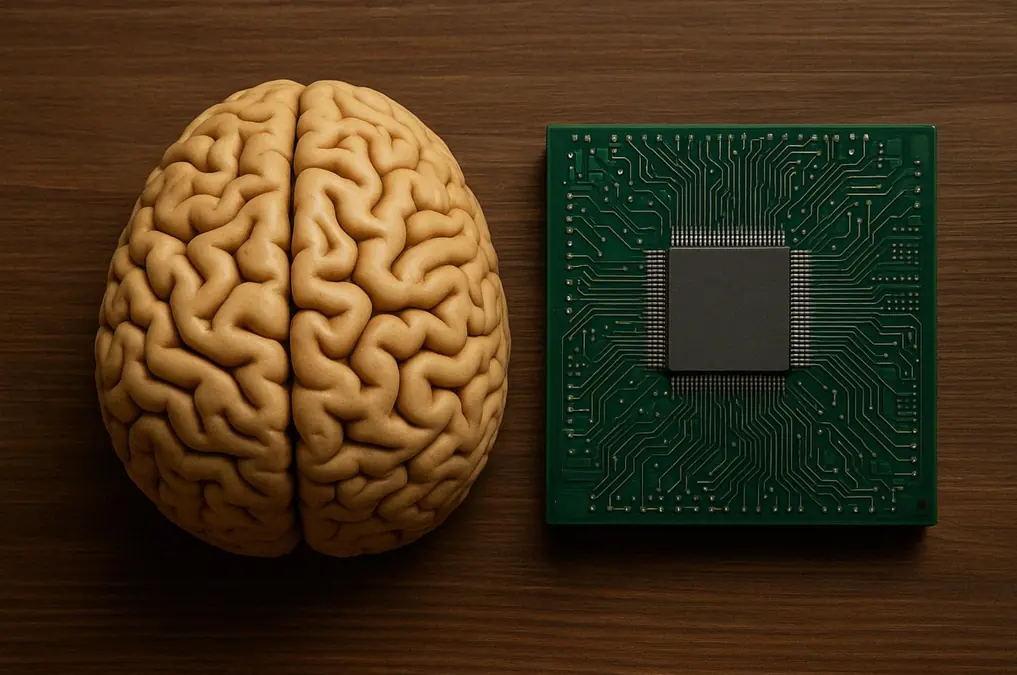
Quick Answer:Human memory vs. AI memory comes down to a fundamental difference. Human memory is a biological process that helps us learn, reconstruct experiences, and maintain a sense of personal history. AI memory uses stored information and retrieval systems to provide context for future interactions. AI doesn’t remember experiences as humans do, but it can help preserve and reconnect parts of a person’s story. That distinction inspired Hippora, an AI life companion named after the hippocampus, a brain structure essential to forming new memories.
Imagine having a conversation with someone you’ve known for twenty years.
You mention a place.
They smile.
Neither of you needs to explain why.
You both remember what happened there.
A shared experience has become part of the relationship.
Now imagine having that same conversation with someone who forgets everything about you the moment you leave the room.
Tomorrow, you’d explain the story again.
Next week, you’d explain it again.
Ten years later, you’d still be introducing yourself.
The conversations might be interesting.
The answers might even be intelligent.
But something would be missing.
History.
The quiet understanding that develops when yesterday is allowed to matter today.
This difference between having a conversation and building continuity is what first made us think seriously about memory.
Not simply how much information an AI could store.
But what it might mean for someone to return years later and find that meaningful parts of their life were still there.
That question eventually led us to the human brain.
And to the name Hippora.
Human Memory vs AI Memory: What’s the Difference?
Human memory and AI memory can both make information available later.
But they accomplish that through fundamentally different processes.
Human memory involves biological activity across interconnected brain systems. It allows us to learn from experiences, recall events, recognise people and connect the past with the present.
AI memory, by contrast, involves computational systems that store, organise and retrieve information. Depending on how an application is designed, that information might include conversation summaries, saved preferences, documents or user-selected memories.
When an AI appears to remember that you once discussed changing careers, it isn’t reliving that conversation.
It’s using information made available to it.
That distinction is essential.
| Human memory | AI memory |
|---|---|
| Biological processes involving neurons and brain networks | Computational processes involving data storage and retrieval |
| Personal experiences can be recalled and reconstructed | Stored information can be retrieved and used as context |
| Memory is influenced by emotion, attention and meaning | Retrieval depends on system design, available data and relevance mechanisms |
| Memories can change, fade or become distorted | Records may persist, but can be incomplete, outdated or misinterpreted |
| Contributes to autobiographical identity and lived experience | Can support continuity in interactions without possessing human autobiographical experience |
Neither system is perfect.
Human memory is not a flawless recording of the past.
AI memory is not an infallible archive of the truth.
And having more stored information doesn’t automatically mean understanding someone better.
Yet there is a meaningful connection between the two.
Both raise a question about what happens when information from the past becomes relevant in the present.
For Hippora, that question became the foundation of a product.
1. The Hippocampus: Where Hippora’s Name Began
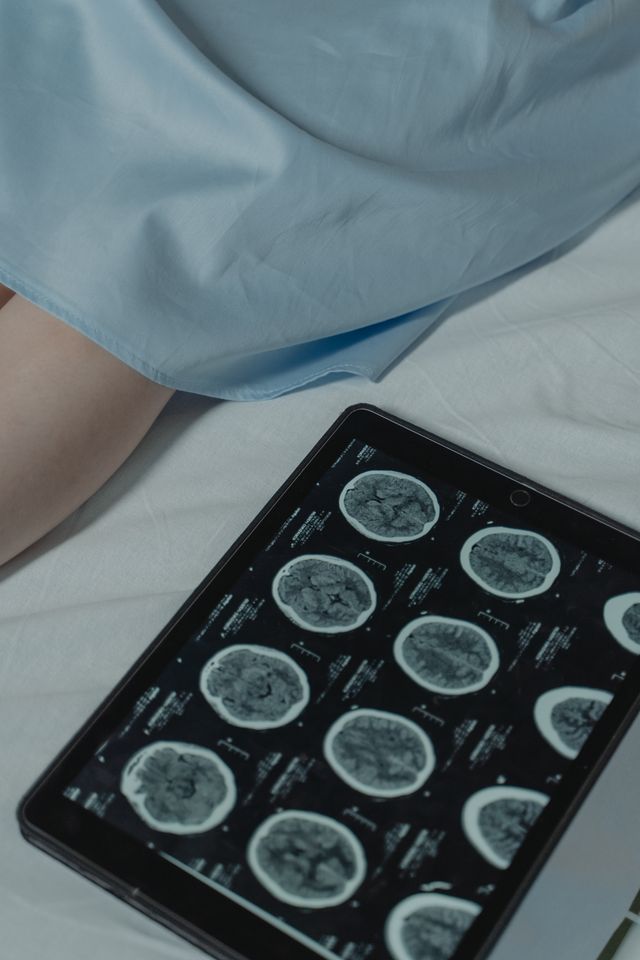
Deep within the human brain are two hippocampi, one in each hemisphere.
The hippocampus is particularly important for forming new memories of events and experiences, and for learning relationships between pieces of information.
It also contributes to spatial memory and navigation.
When you remember your first day at a new job, you may recall the building, the people, your nervousness and the conversations you had.
Those elements are part of a remembered experience.
The hippocampus plays an important role in forming and organising memories of this kind, working alongside other brain regions.
It is not, however, a single storage location containing every memory you’ve ever made.
Human memory depends on distributed networks.
Different types of memory involve different brain systems.
And over time, the relationship between the hippocampus and wider cortical networks can change as memories are consolidated and retrieved.
The importance of the medial temporal lobe memory system was described in a landmark review by neuroscientists Larry Squire and Stuart Zola-Morgan, The Medial Temporal Lobe Memory System.
A later review by Chris Bird and Neil Burgess, The Hippocampus and Memory: Insights From Spatial Processing, explored how research on spatial processing informs our understanding of hippocampal memory.
These are scientific descriptions of human memory.
They are not descriptions of how Hippora’s software works.
But the hippocampus offered something important when we were imagining what Hippora might become.
It gave us a biological point of inspiration for an idea centred on memory.
Hippora was inspired by the hippocampus.
The name reflects the purpose behind the product, not a claim that we’ve recreated the human brain.
2. Why Human Memory Is More Than Stored Information
Think about a childhood holiday.
You might remember the place.
The weather.
A particular smell.
Someone laughing.
But your memory probably isn’t an exact recording of every minute.
You may remember some moments vividly and others hardly at all.
Details may have changed as you’ve recalled the experience over the years.
Perhaps a family member remembers the same holiday differently.
This is part of what makes human memory fascinating.
Remembering is not simply opening a file.
It’s an active process of reconstructing aspects of past experience.
Psychologist Daniel Schacter’s review, The Seven Sins of Memory: Insights From Psychology and Cognitive Neuroscience, examines ways in which human memory can be inaccurate, selective or vulnerable to distortion.
These limitations aren’t evidence that memory is useless.
They remind us that remembering serves more purposes than preserving a perfect record.
Our memories help us learn.
Recognise patterns.
Understand relationships.
And construct narratives about who we have been.
A person might remember a difficult period differently after gaining years of perspective.
Something that once felt like failure may later be understood as a turning point.
An experience that seemed unimportant may become meaningful because of what happened afterwards.
The facts of the past haven’t necessarily changed.
But their place in the story has.
This is one reason we wanted Hippora to be about more than retaining information.
A life isn’t simply a database of events.
It’s an unfolding story whose meaning can change over time.
3. AI Memory Works Differently, and That’s Important
When people hear that an AI can remember, it’s easy to imagine something similar to human recollection.
But AI memory systems work differently.
A typical conversational AI generates responses using the information available in its current context.
Some applications can also retain selected information between conversations.
Depending on their architecture, they may use saved memory records, summaries, databases or retrieval systems to bring relevant information into a new interaction.
For example, imagine telling an AI:
“I’m thinking about leaving my job and starting a business.”
Without access to previous conversations or saved context, it might offer general advice about career changes.
With relevant saved information, it could potentially connect that question to earlier discussions about your goals, financial responsibilities or reasons for wanting greater independence.
That may make the conversation more useful.
But the system isn’t remembering the way a person remembers.
It isn’t experiencing nostalgia.
It isn’t emotionally reliving your earlier conversation.
And it may still misunderstand the context.
An old ambition could have changed.
A saved summary might leave out something important.
A retrieved detail might be accurate but no longer relevant.
These are reasons to treat AI memory as a tool for continuity, not a substitute for human understanding.
They also explain why people need ways to review, correct and control what an AI retains.
The purpose of AI memory should not be to know everything about someone. It should be to make the right context available when that person wants to use it.
4. How Conversations With ChatGPT Led to the Name Hippora
Hippora’s origin began with a question about what an AI companion could become over time.
During conversations between Hippora’s founder and ChatGPT, we explored the idea of an AI that could do something more enduring than respond to individual questions.
The vision wasn’t simply to create a chatbot with a distinctive personality.
It was to create a companion designed around continuity.
Something that could remain relevant as a person’s circumstances, priorities, and understanding of life changed.
Imagine discussing a difficult decision today.
Then returning two years later, when you know how that decision turned out.
Imagine being able to revisit what you believed at the time.
The worries you had.
The hopes you expressed.
The possibilities you couldn’t yet see.
And imagine returning again five or ten years later.
Not to a conversation starting from nothing.
But to a companion that could draw on the experiences and reflections you’d chosen to preserve.
As we explored that idea, the human hippocampus became a natural source of inspiration.
A brain structure closely associated with forming memories.
A biological reminder of the importance of connecting experiences.
From that inspiration, the name Hippora emerged.
It wasn’t chosen merely because it sounded like a technology brand.
It was connected to the reason we wanted to build the product.
What if AI could remember your story as life unfolds?
Not every word.
Not every passing thought.
And not without your choice.
But the experiences that matter enough to become part of your longer story.
That question became central to Hippora.
5. Why We Wanted More Than an AI That Answers Questions
An AI assistant can be useful without knowing anything about your life.
You can ask it to explain a concept.
Compare products.
Help write an email.
Work through a problem.
Those capabilities have genuine value.
But some questions are difficult to separate from personal history.
Consider:
“Why do I keep making the same decision?”
“What changed about what I want from life?”
“Why does this situation feel familiar?”
“Am I still working towards something I actually care about?”
A useful response may depend on context that isn’t contained in the latest message.
What you once said mattered to you.
The experiences you’ve described.
The decisions you’ve reconsidered.
The changes you’ve noticed.
Hippora was created around the possibility of preserving that context over time.
The aim isn’t for AI to tell you who you are.
It’s to give you another way to reflect on the story you’re already living.
That distinction matters.
An AI may identify a recurring theme in what you’ve shared.
But you decide whether that interpretation is meaningful.
It may remind you of an earlier ambition.
But you decide whether that ambition still matters.
It may help you compare two different periods of your life.
But it cannot determine which version of you was right.
Your life remains yours to interpret.
Hippora is designed to support that process, not take ownership of it.
6. From Conversations to My Story: How Hippora Connects a Life
The original idea of continuity became the foundation for how Hippora’s features fit together.
Rather than treating conversations, memories and personal reflections as unrelated activities, Hippora is designed to connect them around the life of the person using it.
Conversations give you a place to think aloud about your day, relationships, ambitions, worries and decisions.
My Story provides a place for meaningful parts of your life to become part of a longer personal history.
AI Journal lets you write freely or reflect through Gratitude, Goals, Release and Insights. You can search entries, explore categories and return to meaningful moments.
Voice Memories allows you to preserve thoughts and experiences in your own voice. Sometimes the way something was said matters as much as the words.
Future Letters lets you write to the person you’ll become, choose an opening date and seal the letter until that day arrives.
Life Calendar helps you revisit journal entries, voice memories and letters across months and years.
Life Compass provides a way to reflect on different areas of life and notice how they evolve.
Insights can help surface themes, connections and changes across the information you’ve chosen to share.
Hippora also includes fifteen progressive Practices exploring attention, awareness, imagination, emotional steadiness and deliberate choice.
These aren’t meant to turn your life into a collection of tasks.
They’re different ways to engage with your experiences.
Consider a simple example.
Today, you record a Voice Memory about a decision you’re considering.
A month later, you write in your Journal about what happened.
A year later, you revisit that period through Life Calendar.
Five years later, you open a Future Letter written before the decision was made.
You now have several perspectives on the same chapter.
What you thought might happen.
What actually happened.
How you felt afterwards.
And what it means to you now.
No single record captures the entire experience.
But together, they can preserve something more meaningful than an isolated conversation.
They help you keep the thread.
7. The Most Important Part of AI Memory May Be the Right to Forget
There’s an uncomfortable question behind the idea of an AI that remembers.
What happens when you don’t want something remembered?
Perhaps you discussed a difficult relationship.
Shared a private concern.
Expressed an opinion you no longer hold.
Or simply said something you don’t want to become part of your longer story.
Memory can be useful.
But unlimited retention isn’t automatically desirable.
Human beings forget.
We also choose what to share, what to revisit and what to leave behind.
An AI companion designed around continuity needs to respect those choices.
That’s why Hippora includes Memory Controls and Private Topics.
These features help you manage what Hippora remembers and what remains private.
The principle is straightforward.
A meaningful life story should be something you choose to preserve, not something a system silently decides to collect.
Privacy also involves more than deciding whether a detail is saved.
Information can be sensitive because of its context.
A conversation about a family member may involve someone else’s privacy.
An old reflection may no longer represent your current beliefs.
And even accurate information can be misleading when separated from the circumstances in which it was shared.
These are important limitations for any system that uses personal history.
Hippora’s goal is to build continuity while leaving room for privacy, correction, and change.
You can read more about the importance of these choices in Hippora’s Privacy Policy.
The Ten-Year Question: What Would You Want an AI to Remember?
Imagine it’s 2036.
Ten years have passed.
Your life may look very different.
You might live somewhere else.
The people around you may have changed.
Your work may have taken an unexpected direction.
You may have become a parent.
Changed your priorities.
Experienced loss.
Found something you didn’t know you were looking for.
Now imagine opening Hippora.
You return to a conversation about your life.
But instead of beginning from zero, you have access to meaningful parts of the history you’ve chosen to preserve.
You can revisit an old journal entry.
Listen to a voice recording.
Open a letter you wrote years earlier.
Reflect on how your Life Compass has changed.
And explore connections between what mattered then and what matters now.
That’s the vision behind our defining line:
“The companion that will still know you in ten years.”
It isn’t a promise that an AI will understand every part of your life.
Or that it will remember perfectly.
Or that any technology can guarantee uninterrupted service for a decade.
It’s the direction we’re building towards.
A companion designed for the possibility that today’s conversation might still matter years from now.
Not because the AI is the centre of the story.
But because your life is.
A Reflection: What Would You Want Remembered Ten Years From Now?
Before you move on, consider five questions.
- Who matters most in your life today? Who would you want your future self to remember as they are now?
- What are you trying to build or change? What ambition or decision defines this chapter?
- What are you worried about? What uncertainty might look completely different with ten years of perspective?
- What ordinary moment would you miss? Think about a routine, a familiar voice, or a place you take for granted.
- What do you hope you’ll understand better? Not necessarily what you’ll achieve, but what you might learn.
You don’t have to answer every question.
You could write a few sentences.
Record a short voice message.
Or create a Future Letter to open years from now.
The point isn’t to document your entire life.
It’s to recognise that the present contains things your future self may one day be grateful to remember.
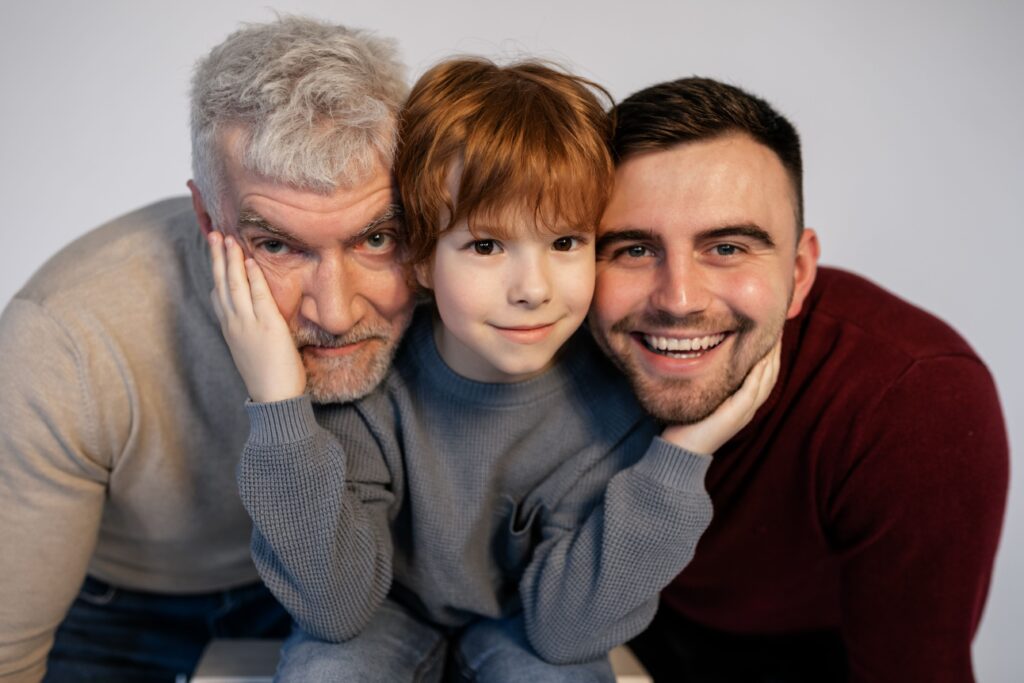
Where Hippora Fits: A Different Philosophy of AI Companionship
Hippora is an AI life companion built around the idea that conversations can matter beyond the moment in which they happen.
Its name was inspired by the hippocampus.
Its purpose was shaped by a question about continuity.
And its features are designed to help people preserve and revisit the chapters of life they choose to keep.
Hippora Free is permanent, with no card and no countdown. It includes text conversations, a spoken First Meeting, Journal and My Story, Life Compass and Insights, Practices and memory controls.
Hippora Premium adds 70 minutes of live voice conversation each week, full Practices spoken by Hippora, and deeper continuity as your history grows.
But the subscription isn’t the reason Hippora exists.
The idea is much simpler.
You should be able to return to meaningful parts of your life.
See what changed.
Revisit what mattered.
And reflect on who you’re becoming.
Hippora isn’t designed to replace relationships, make decisions for you, or become the centre of your world.
The people you love, the experiences you have, and the life you build are what matter.
Hippora is designed to accompany them.
If you’d like to explore that approach, download Hippora on the App Store for iPhone.
Talk. Remember. Reflect. Grow.
Frequently Asked Questions
Human memory vs AI memory: What is the main difference?
Human memory is a biological process involving interconnected brain systems that allows people to learn, recall, and reconstruct experiences. AI memory uses computational storage and retrieval to make previously saved information available for future interactions. AI doesn’t relive experiences as humans do.
What part of the brain is responsible for memory?
Memory involves several interconnected brain regions. The hippocampus is especially important for forming new episodic and declarative memories, but different memory processes involve other structures and networks throughout the brain.
Can AI remember conversations from years ago?
Some AI systems can retain and retrieve information across conversations, depending on their design, memory settings, and data retention policies. Long-term access also depends on the continued availability and reliability of the service. AI memory is not necessarily complete or permanent.
Why is Hippora named after the hippocampus?
Hippora’s name was inspired by the hippocampus because of its central role in forming human memories. The name emerged during conversations between Hippora’s founder and ChatGPT about creating an AI life companion designed for long-term continuity.
Is Hippora designed to work like the human brain?
No. The hippocampus inspired Hippora’s name and philosophy, not its biological architecture. Hippora uses AI and software systems to support conversations, memory, and personal reflection. It is not a digital recreation of the human brain.
Does Hippora remember everything automatically?
No. Hippora is designed to build continuity around information and experiences you choose to preserve. Memory Controls and Private Topics help you manage what becomes part of your longer story and what remains private.
Can AI memory help with personal growth?
AI memory may support reflection by making earlier experiences, goals, and decisions available for comparison. However, the usefulness of those reflections depends on the quality of the information and the interpretations made. It isn’t a substitute for professional mental health support or personal judgment.
Is Hippora free?
Yes. Hippora Free is permanent and includes text conversations, a spoken First Meeting, Journal and My Story, Life Compass and Insights, Practices and memory controls. Premium offers additional voice and continuity features.
The Bottom Line: Memory Is What Inspired the Name. Your Life Is What Gives It Meaning.
The hippocampus is a remarkable part of the human brain.
It helps make it possible for experiences to become memories.
For moments to connect.
For the past to remain relevant to the present.
AI memory is something very different.
It doesn’t experience life.
It doesn’t remember with human emotion.
And it cannot replace the people who share our history.
But it can offer something useful.
A way to preserve information and experiences so they don’t always disappear into another conversation.
A way to revisit earlier chapters.
A way to compare who you were with who you’re becoming.
And perhaps, over years, a way to maintain continuity with the parts of your story you’ve chosen to keep.
That’s why Hippora was created.
Not because we wanted an AI that knows everything.
But because we wondered what might become possible when meaningful experiences don’t always have to be explained from the beginning.
The name came from the hippocampus.
The vision came from a question.
What if AI could remember your story as life unfolds?
And the purpose remains the same.
The companion that will still know you in ten years.
Keep discovering who you're becoming.
Hippora connects your conversations, memories, and reflections over time.